Boiler blowdown is the removal of water from a boiler.
Boiler blowdown water hardness.
Obviously the conditions are very different from those of the sample obtained via the sample cooler which will be cooled and subsequently neutralised ph 7.
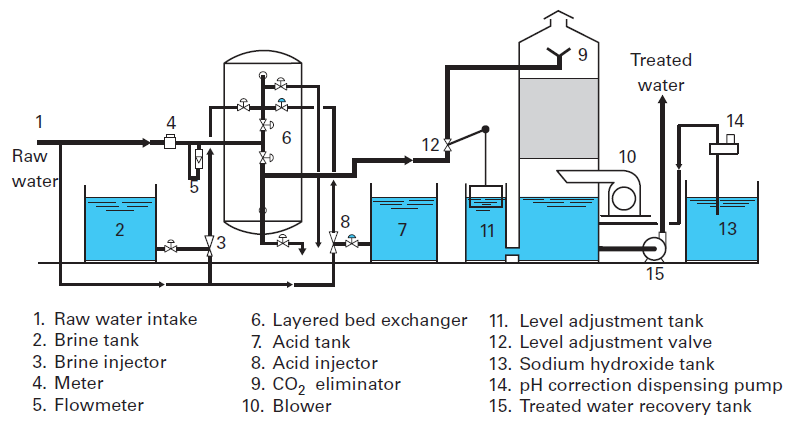
Most boiler systems have sodium zeolite softened or demineralized makeup water.
A continuous blowdown system use a calibrated valve and a blowdown tap near the boiler water surface.
Blowdown in boiler definition.
Hello everybody here i have doubt on the boiler blow down water.
Describe a recent case study in which a water technologist and pharmaceutical plant engineer teamed up to master and manage downstream hardness upset in a boiler system.
Blowdown is also used to remove suspended solids present in the system.
Its purpose is to control boiler water parameters within prescribed limits to minimize scale corrosion carryover and other specific problems.
The hardness must be removed in the makeup water to the return system.
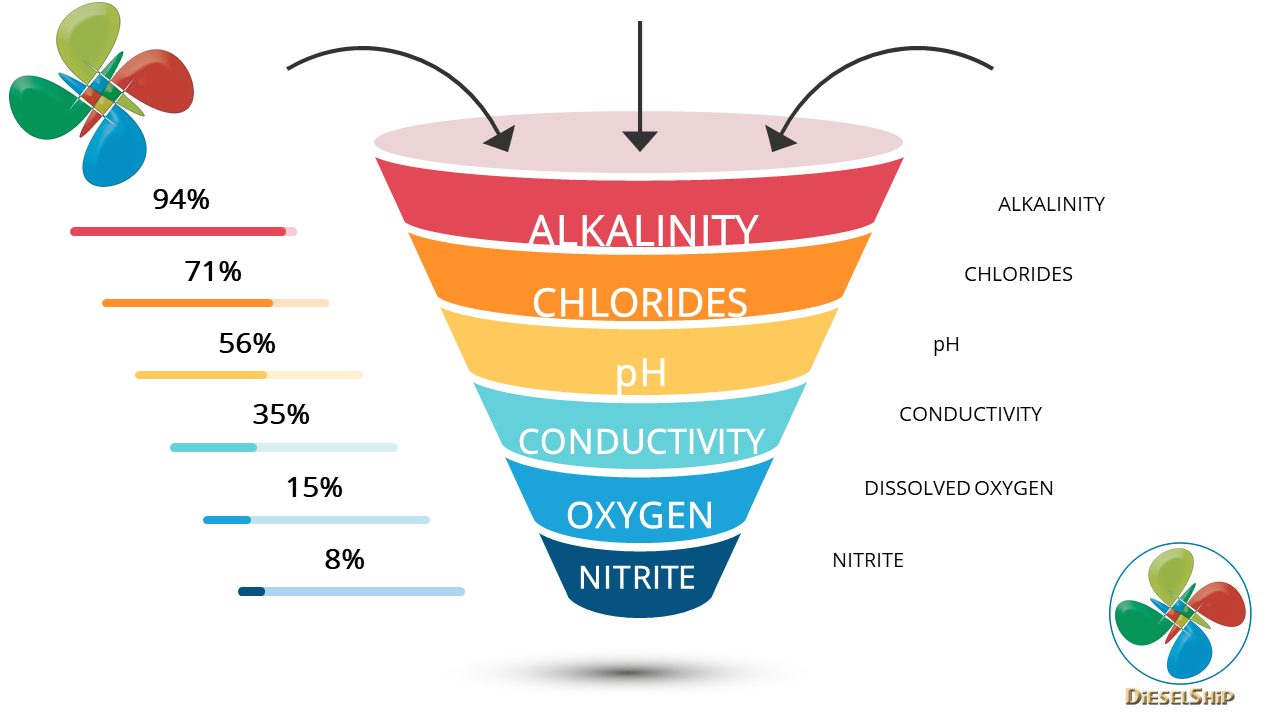
It is necessary to measure the conductivity of the boiler water inside the boiler or in the blowdown line.
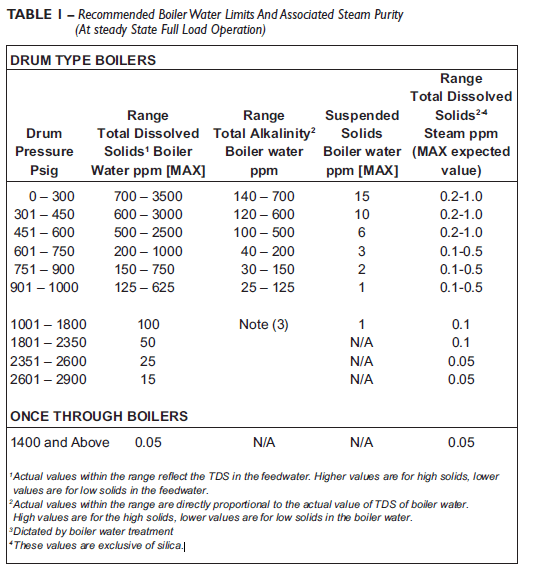
Maximum allowable water impurities.
Water area manager and ray gesling b s m e.
In boilers the hardness of the water can cause the formation of scale and sludge or mud.
The main aspects are the great temperature difference and high ph.
On heating water or converting water to steam these dissolved solids do not evaporate and gets separated from water or steam and settled at the bottom of the shell.
Before boiler blowdown can be discussed and understood it is necessary to establish a definition of water along with its impurities and associated terms such as hardness ph etc.
It is essential to life it is used for transportation and it stores energy.
Therefore good internal boiler water treatment programs are necessary.
My doubt is what should be the hardness of blowdown water generaly we are not measuring it only we maintening the feed water hardness below 2ppm we are having softner not dm plant.
Total hardness should not.
Blowdown in boiler usually water which is fed to the boiler contains high total dissolved solids tds content as well as other dissolved and undissolved solids in it.
The hardness of water is caused by calcium and magnesium ions which will vary greatly throughout the country depending on the source of the water.
Feedwater hardness usually ranges from 0 01 to 2 0 ppm but even water of this purity does not provide deposit free operation.
Feed water purity requirements therefore can vary widely.
Asme guidelines for water quality in watertube boilers.
Water is continuously taken from the top of the boiler at a predetermined rate.