As the rotor reaches its minimum thickness the braking distance increases sometimes up to 4 meters.
Brake rotor machining specs.
If after machining the brake rotor is below minimum thickness it must be replaced.
Pads and rotors wear with use so you should keep a close eye on them.
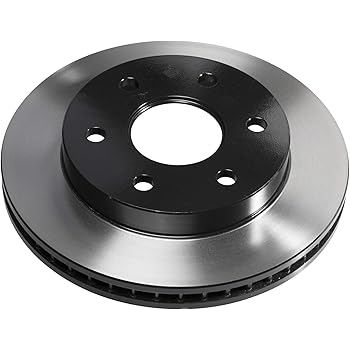
Brake rotor specs for machining all performance brake rotors are sold in pairs and come zinc coated in either black or silver to help prevent rusting.
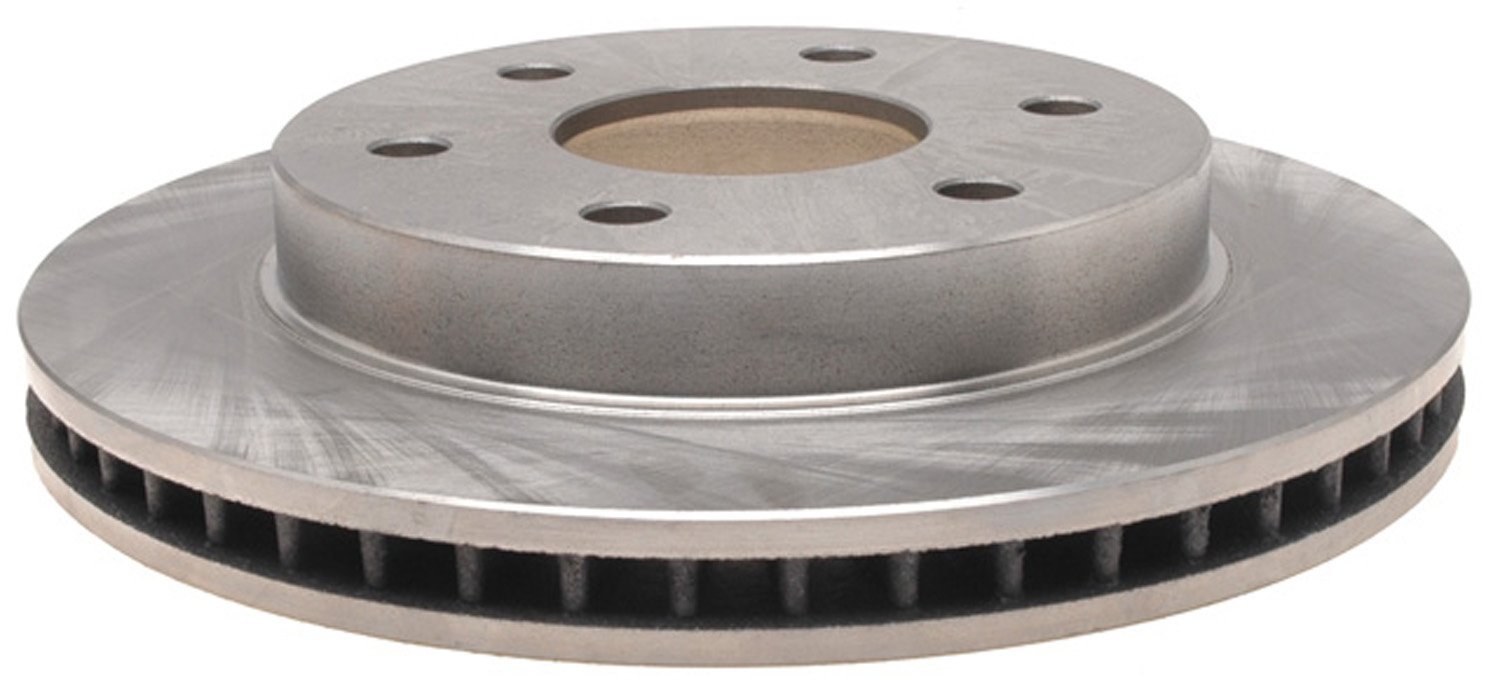
Disc brake rotor minimum thickness also known as scrap thickness is the minimum safe working thickness of a rotor at which it must be replaced.
With the average machining taking off 010 to 015 there is usually always room for one machining and sometimes 2.
To measure parallelism subtract the smallest value measured from the largest amount measured.
Check with any rotor or drum manufacture and they recommend this practice.
It can also smooth out surface irregularities that can cause vibrations such as varying thickness.
If the rotor thickness is acceptable a dial indicator should be used to check for lateral run out dishing or taper see figure 2.
The average difference between nominal and machine to thickness is 050 to 060.
What if the runout exceeds the manufacturer s specifications when the new rotor is installed on the vehicle.
A better option would be to remove your brake disc take it to a shop that turns rotors have it turned to the right levels and specs then re install it.
If the parallelism is higher than 0 0006 inches 0 015mm use an approved on car brake lathe and machine the brake rotor.
It s a little known fact that you should machine new rotors or drums before installing them on your vehicle.
True throwaway rotors are marked in this fashion.
The only true throwaway rotors are marked like the one in figures 19 2 19 3.
Brake pads should be replaced when there is 1 8 to 3 16 of friction material left on the steel backing plate.
Using an on the car lathe can help to reduce runout on new rotors.
This is a simple machine that can be used to machine a rotor.
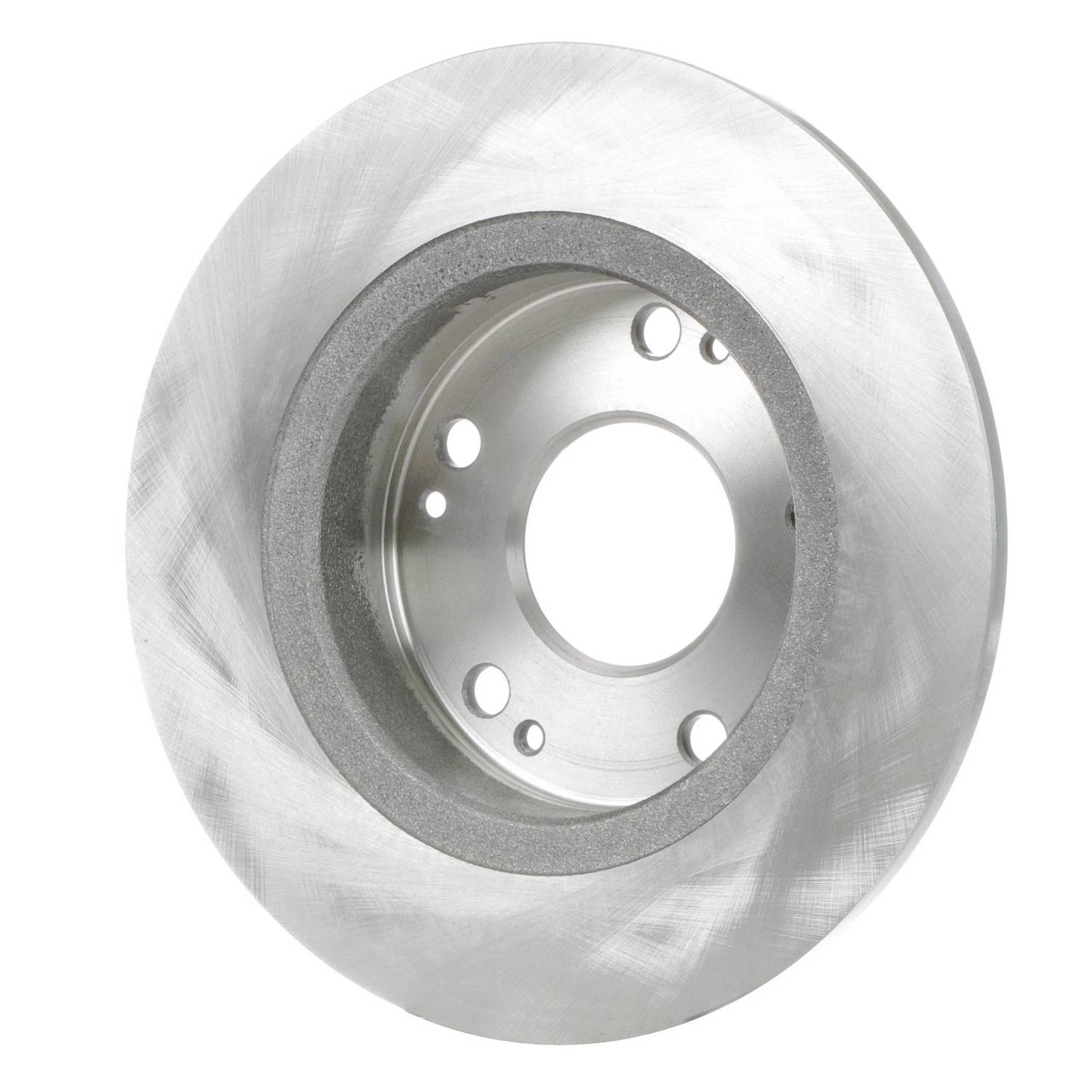
Brake rotor resurfacing is a process where a small amount of the brake disc s material is removed with a lathe in order to remove corrosion and brake pad deposits.
The footnote 3 on this bmw denotes the rotor should be replaced not machined.
One last note on machining.
Brake rotor machining comes with benefits and disadvantages.
So don t think that installing new rotors or drums will solve a vibration problem sometimes it doesn t.
The assumption is that if the pads are replaced and the rotors are over machine to they should not experience enough wear to allow them to go below discard thickness through the life of that set of pads.